Exploring the Psychology of Space and Color in Interiors
Creating an inviting interior space goes beyond aesthetics; it taps into the psychology of how space and color influence our emotions and behaviors. Understanding these principles can help home and office designers make informed decisions that enhance well-being and productivity.
Understanding the Basics of Space Psychology
The way a space is designed can significantly affect our mood and behavior. According to research, environmental psychology suggests that our surroundings can influence how we feel and act. For instance, open spaces are typically associated with feelings of freedom and creativity, while smaller, enclosed spaces may evoke feelings of safety but can also lead to discomfort if overly constricting.
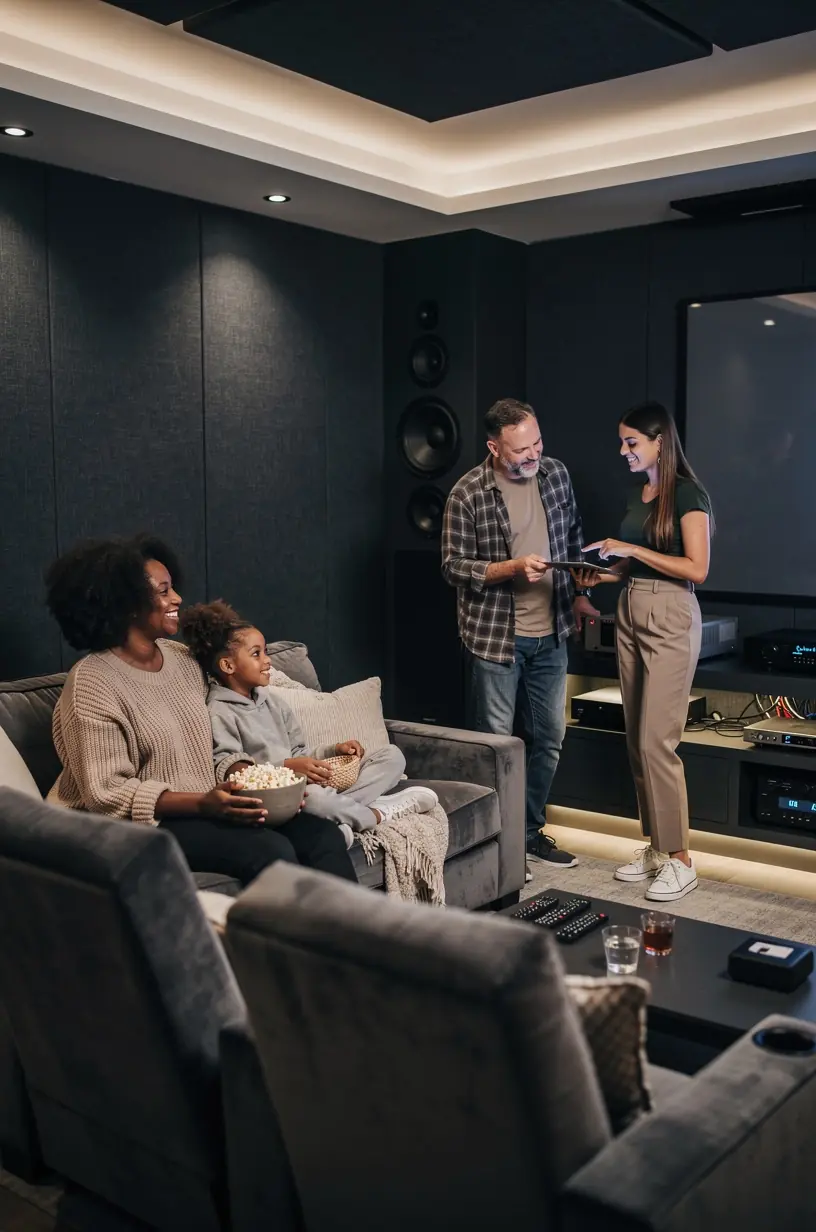
"The environment we inhabit has a profound impact on our mental state; thoughtful design can foster comfort and creativity."
The Role of Color in Interior Design
Color plays a fundamental role in shaping our perceptions and emotions. Studies show that different colors evoke different feelings. For example:
- Blue is often associated with calmness and productivity, making it a popular choice for home offices.
- Yellow can stimulate creativity and energy but may be overwhelming in large quantities.
- Green is linked to balance and renewal, often used in spaces meant for relaxation.
Experts recommend considering the psychological effects of color when selecting a palette for a room. This works because colors can trigger emotional responses that influence behavior and productivity levels.
Practical Application of Space and Color
Incorporating the psychology of space and color into your interior design involves several steps:
- Assess Your Needs: Determine what emotions or activities you want to promote in each space. For instance, a calming environment for a bedroom versus an energizing atmosphere for a home office.
- Select Appropriate Colors: Choose colors that align with your objectives. Research indicates that cohesive color schemes can create a harmonious environment, while contrasting colors may add vibrancy when used thoughtfully.
- Utilize Space Effectively: Consider furniture layout and spatial arrangements. Open floor plans can enhance communication and collaboration, while defined areas can create a sense of order and focus.
Limitations and Considerations
While these principles can be effective, it's important to acknowledge that results may vary based on individual preferences and specific environments. Factors such as existing architecture, lighting conditions, and personal tastes also play crucial roles. Moreover, significant changes typically take time to implement and may require professional assistance, particularly in larger projects.
Conclusion
Understanding the psychology of space and color provides valuable insights that can help enhance the functionality and feel of any interior environment. By integrating these principles into your design process, you can create spaces that not only look beautiful but also foster well-being and productivity. Remember that every space is unique, so tailor your approach based on individual needs and preferences for the best results.
Learn More