
How to Assess Your Space for Upgrade Potential
Upgrading your living space can significantly enhance both aesthetics and functionality. However, identifying the areas that hold the most upgrade potential can be challenging. This guide will help you understand how to evaluate your space effectively, focusing on non-invasive improvements that can yield impressive results.
Understanding the Basics of Space Assessment
Before diving into specific upgrades, it’s essential to recognize the underlying principles of space assessment. According to experts in interior design, a well-planned upgrade can improve mood and productivity, often by creating a more functional environment. Research shows that well-designed spaces can lead to increased satisfaction and efficiency, making the assessment process crucial.
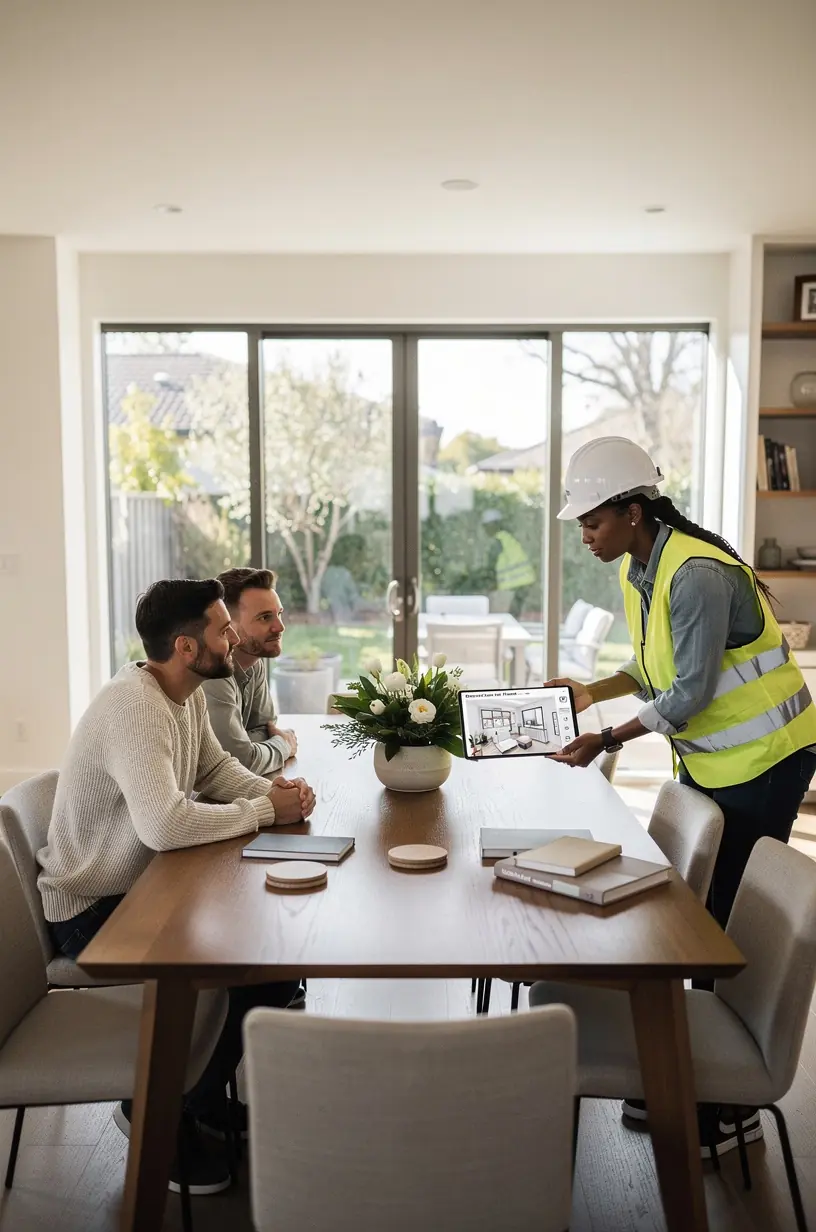
"A thoughtful assessment of your space allows for identifying areas that can be enhanced, leading to a more enjoyable and efficient living experience."
Key Factors to Consider
- Functionality: Evaluate how each area in your home serves your daily needs. Many users report that rethinking the layout can significantly improve the flow of a space.
- Aesthetics: Take note of the style and ambiance. Experts recommend considering color schemes and textures that can create a more inviting atmosphere.
- Natural Light: Observe how natural light interacts with your space. Research indicates that spaces with ample natural light typically enhance mood and productivity.
Practical Steps for Assessing Upgrade Potential
Follow these practical steps to evaluate your space effectively:
- Conduct a Walkthrough: Walk through your space with a critical eye. Take notes on areas that feel cramped, dated, or underutilized. This typically takes a couple of hours, depending on the size of your home.
- Gather Feedback: Involve family members or friends in the assessment process. They may offer insights you hadn’t considered, highlighting aspects that work well or could be improved.
- Prioritize Areas for Improvement: Based on your observations, prioritize the areas needing upgrades. Focus on those that serve multiple purposes or are frequently used, as these will likely provide the most significant impact.
Identifying Non-Invasive Upgrades
After assessing your space, consider the following non-invasive upgrades that can be both effective and practical:
- Paint: A fresh coat of paint can dramatically change a room’s feel. Experts suggest lighter colors for small spaces, as they can create an illusion of more space.
- Lighting Fixtures: Updating light fixtures can enhance the overall ambiance. Industry standards recommend using multiple light sources to create a layered effect.
- Furniture Arrangement: Reorganizing furniture can improve functionality and flow. This type of upgrade is simple yet can significantly impact how the space is perceived and utilized.
Conclusion
Assessing your space for upgrade potential involves a thoughtful and methodical approach. By focusing on functionality, aesthetics, and light, you can identify crucial areas for improvement. Remember, the goal is to create a space that enhances your lifestyle. While some upgrades may require time and effort, many non-invasive changes can yield immediate benefits. Start your assessment today, and take the first step towards a more enjoyable living space.
Learn More