How to Create Flow and Functionality in Small Spaces
Transforming small spaces into functional and aesthetically pleasing areas can be a challenge, but it’s possible with the right strategies and insights. This article will explore various techniques that can enhance flow and functionality, ensuring that every square foot is utilized effectively.
Understanding the Basics
Creating an open and functional space often involves understanding the principles of design and organization. Experts in interior design suggest that visual continuity is key in small areas. This means maintaining a consistent color palette and furniture style can help the space feel larger and more inviting.
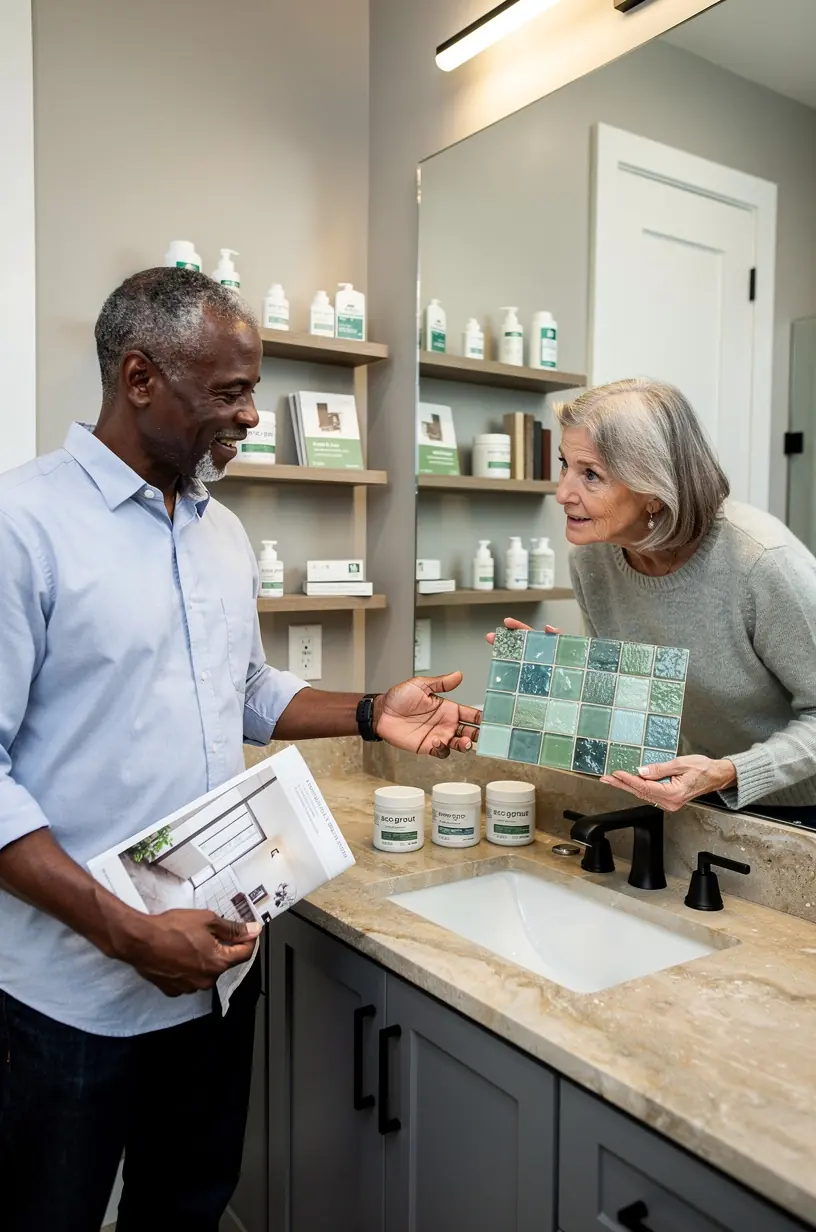
"A well-designed small space can be both functional and beautiful, effectively combining utility with aesthetic appeal." - Interior Design Expert
Effective Layout Strategies
To maximize flow in a limited area, the layout of furniture and decor should be carefully considered. Here are some practical approaches:
- Multi-Functional Furniture: Choose furniture that serves multiple purposes, such as a sofa bed or an ottoman with storage. This approach can significantly reduce clutter and enhance functionality.
- Open Floor Plans: If possible, consider removing non-structural walls to create an open layout that connects different areas. Research indicates that open spaces can improve social interaction and make areas feel larger.
- Strategic Zoning: Use rugs or furniture placement to define different areas within a room. This can create a sense of separation without closing off the space, effectively allowing for distinct functional zones.
Incorporating Light and Color
Light and color play crucial roles in creating a sense of flow. Here’s how to effectively use them:
- Natural Light: Maximize the use of natural light by positioning mirrors strategically. Studies show that mirrors can increase the perceived size of a room by reflecting light.
- Color Choices: Light colors tend to make a space feel larger. Consider using soft hues for walls and larger furniture pieces while adding pops of color through smaller decor items.
Decluttering for Optimal Functionality
A clutter-free environment is essential in small spaces. Many users report that regular decluttering not only improves functionality but also enhances mental clarity. Here are steps to effectively declutter:
- Regular Assessment: Schedule time every few months to evaluate what items you really use and need. This typically takes 1-2 hours but can lead to a more spacious feeling in your home.
- Organized Storage: Utilize vertical space with shelves and wall-mounted storage. This approach can help keep surfaces clear, promoting a more open and functional area.
Conclusion
Creating flow and functionality in small spaces involves strategic planning and design choices that prioritize both aesthetics and utility. By incorporating multi-functional furniture, optimizing layouts, maximizing light, and maintaining a clutter-free environment, you can craft a space that feels open and inviting. Remember, while these approaches may involve some effort and time, the results can lead to a more enjoyable and efficient living area.
Learn More